TL;DR:
- Bathroom renovation styles shape both the look and function of a space through materials, fixtures, and layouts, influencing value and design outcomes. Popular choices in 2026 include modern, transitional, and spa-like styles, which prioritize clean lines, natural materials, and layered lighting, while traditional, farmhouse, rustic, vintage, industrial, coastal, minimalist, and art deco styles create distinctive atmospheres. Selecting the right style involves considering existing architecture, renovation scope, functionality, and coordinating materials to ensure a cohesive, timeless, and well-functioning space.
Bathroom renovation styles are defined design directions that combine materials, fixtures, layouts, and finishes to shape both the look and function of your space. Choosing the right style before you break ground determines everything from tile selection to lighting placement, and it directly affects your home’s resale value. Whether you’re planning a full gut renovation or a targeted update to your vanity and shower, understanding the most popular bathroom styles gives you a clear framework to work from. This article covers 10 distinct renovation styles with current 2026 trends, practical features, and guidance on how to choose the right fit for your home.
1. Types of bathroom renovation styles: modern and contemporary
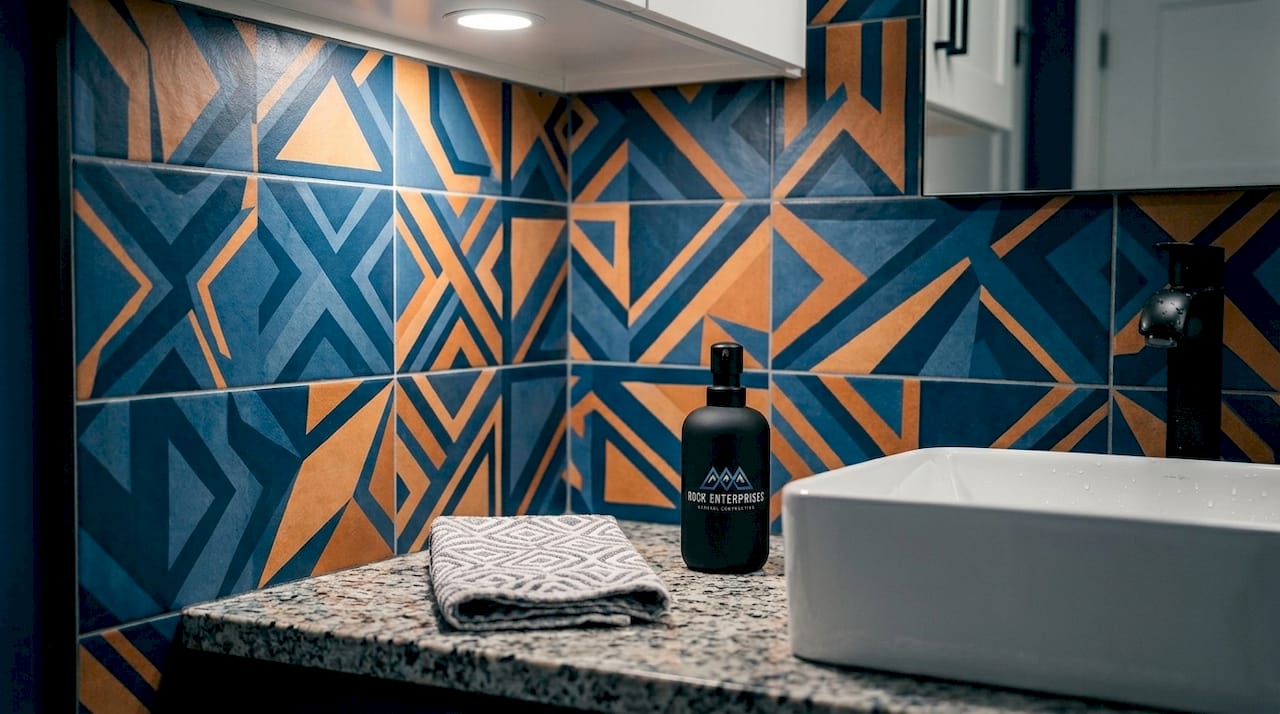
Modern and contemporary are the two most requested styles in bathroom renovations today, and they are not the same thing. Modern style refers to a specific mid-20th-century design movement defined by clean lines, flat surfaces, and a strict “form follows function” philosophy. Contemporary style is fluid, reflecting what designers are doing right now, which in 2026 means warmer tones, curved edges, and tactile materials alongside the minimalism modern is known for.
Key features of both styles include:
- Large-format tiles spanning floor to ceiling with minimal grout lines for a cleaner look
- Floating vanities in matte finishes, often in warm white, greige, or charcoal
- Frameless glass shower enclosures that open up the visual space
- Matte black or brushed nickel fixtures for contrast against light surfaces
- Recessed or LED strip lighting paired with a statement pendant or sconce
Statement tile appears in 18% of recent renovation projects, and it delivers the fastest perceived style upgrade without changing your layout. Full porcelain slabs are increasingly used for minimal grout lines, which also makes cleaning significantly easier.
Pro Tip: In a modern or contemporary bathroom, limit your material palette to two or three finishes. More than that and the space reads as cluttered rather than curated.
2. Traditional bathroom style
Traditional bathrooms draw from European and American design history, favoring ornate details, warm color palettes, and furniture-grade cabinetry. Think raised-panel vanities in cream or navy, oil-rubbed bronze hardware, and subway tile with dark grout. This style prioritizes comfort and familiarity over minimalism.
Signature elements of traditional bathrooms include crown molding at the ceiling, pedestal sinks or freestanding vanities with legs, and framed mirrors with decorative trim. Color palettes lean toward warm whites, sage green, dusty blue, and soft gold. The fixtures themselves, from faucets to towel bars, are typically heavier in profile and more decorative in shape than what you’d find in a modern bathroom.
Traditional style works best in older homes, particularly Colonial, Victorian, or Craftsman architecture, where the design language already exists in the rest of the house. Forcing a sleek contemporary bathroom into a 1920s bungalow creates visual friction that even buyers notice.
3. How traditional and transitional bathroom styles differ
Transitional style sits between traditional and contemporary, borrowing the warmth and detail of traditional design while adopting the cleaner lines and simpler hardware of modern spaces. It’s the most forgiving style for homeowners who like elements from multiple directions and don’t want to commit fully to one aesthetic.
Where traditional bathrooms use raised-panel cabinetry and ornate fixtures, transitional bathrooms use shaker-style cabinetry and simpler hardware in mixed metals. Where traditional spaces favor wallpaper and decorative borders, transitional spaces use a single bold tile or a neutral stone-look porcelain. The result feels polished without feeling cold.
Common transitional bathroom features include:
- Shaker-style vanity cabinets in white, gray, or navy
- Quartz countertops with subtle veining rather than dramatic marble patterns
- Brushed gold or matte black hardware as a modern accent on classic forms
- Subway tile or large-format neutral tile with simple linear grout patterns
- Freestanding soaking tubs that reference traditional forms with contemporary proportions
Transitional style is also the safest choice if you plan to sell within five to ten years. It appeals to the broadest range of buyers because it reads as neither dated nor aggressively trendy.
4. What defines farmhouse, rustic, and vintage bathroom styles
These three styles share a love of texture, history, and handcrafted materials, but each has a distinct personality.
Farmhouse bathrooms center on cozy, lived-in warmth. The defining features are shiplap walls, apron-front sinks, open shelving in natural wood, and black matte fixtures. Color palettes stay neutral: white, cream, warm gray, and natural wood tones. Wood-faced vanities appear in 62% of vanity selections, which reflects how strongly the farmhouse aesthetic has influenced mainstream renovation choices.
Rustic bathrooms go further into raw, natural territory. Stone tile floors, exposed ceiling beams, vessel sinks in hammered copper or concrete, and rough-hewn wood shelving define this style. Where farmhouse feels curated and clean, rustic feels genuinely weathered and organic. It suits mountain cabins, lake houses, and rural properties where the surrounding environment reinforces the interior aesthetic.
Vintage bathrooms reference specific historical periods, most commonly the 1920s through 1950s. The hallmarks are:
- Clawfoot or pedestal tubs in white porcelain
- Black-and-white hex tile floors with penny tile borders
- Pedestal sinks with cross-handle faucets in chrome
- Beadboard wainscoting painted in soft pastels or classic white
- Vintage-style medicine cabinets with beveled mirror frames
Timeless styles like black-and-white and art deco remain consistently popular because they reference specific design eras that homeowners find genuinely nostalgic rather than simply old.
5. Industrial bathroom style
Industrial bathrooms borrow from converted loft and warehouse spaces, using raw materials and an unfinished aesthetic as intentional design choices. Exposed pipes in brushed steel or black iron, concrete floors or concrete-look porcelain tile, and open metal shelving define the look. Color palettes are deliberately restrained: charcoal, raw concrete gray, black, and aged brass as an accent.
The key to pulling off industrial style in a residential bathroom is contrast. Pair the raw concrete or dark tile with warm wood accents on the vanity or shelving. Add a large mirror with a black metal frame. Use Edison-style bulbs in a simple black fixture above the vanity. Without these warmer counterpoints, industrial bathrooms can feel cold and unfinished rather than intentionally edgy.
6. Spa-like bathroom renovation style
Spa-like bathrooms are the fastest-growing category in residential renovation, and the reason is straightforward: homeowners want daily access to the kind of sensory calm that previously required a hotel stay. This style prioritizes layered lighting, natural organic materials, and spatial openness over decorative detail.
Layered lighting is the single most important element in a spa-like bathroom, more so than tile or fixtures. A combination of recessed ceiling lights, backlit mirrors, and warm sconces at eye level creates depth and eliminates the harsh shadows that standard overhead lighting produces. Heated floors and enhanced ventilation are also valued comfort upgrades that elevate the daily experience without changing the visual design.
Pro Tip: For a true spa feel, install a quiet exhaust fan rated at 1.0 sones or lower. Noise is the fastest way to break the calm atmosphere you’re building with every other design choice.
Natural materials like teak, travertine, and honed limestone reinforce the organic quality of this style. Larger showers are preferred by 55% of homeowners in recent renovations, and the spa-like style is the primary driver of that shift. Open wet rooms with rainfall showerheads and built-in benches are the defining feature of this category in 2026.
7. Coastal bathroom style
Coastal bathrooms translate the visual language of the beach into an interior space without resorting to seashell accessories and novelty anchors. The real coastal style is about light, air, and natural texture. White shiplap or beadboard walls, natural fiber accents, sea glass or soft blue tile, and weathered wood vanities create the atmosphere without the kitsch.
Color palettes in coastal bathrooms stay in the range of soft white, sandy beige, seafoam green, and muted navy. Fixtures lean toward brushed nickel or chrome to reference the look of sea-worn metal. Large windows or frosted glass that maximizes natural light are central to the style. Coastal design works particularly well in homes near the shore, but it translates effectively to any home where the goal is a light, airy, relaxed atmosphere.
8. Minimalist bathroom style
Minimalist bathrooms take the clean-line principles of modern design and push them further, eliminating every non-functional element. Concealed storage behind flush-panel cabinetry, wall-mounted toilets, and single-slab stone or porcelain surfaces with no visible seams define this style. The color palette is almost always monochromatic: all white, all gray, or a single warm tone carried across every surface.
The challenge with minimalist bathrooms is that every material and finish is fully exposed with no decorative elements to distract from imperfections. This means material quality matters more here than in any other style. Cheap tile or poorly fitted fixtures are immediately visible. When executed well, minimalist bathrooms photograph beautifully and age gracefully because there are no trend-specific details to date them.
9. Art deco and midcentury modern bathroom styles
Art deco bathrooms reference the glamour of the 1920s and 1930s with geometric tile patterns, bold color contrasts, and metallic accents in gold or chrome. Black-and-white chevron or herringbone tile floors, pedestal sinks with angular profiles, and backlit mirrors with geometric frames are the defining elements. Art deco and midcentury styles remain popular because they carry a strong visual identity that makes a bathroom feel genuinely designed rather than assembled from a showroom catalog.
Midcentury modern bathrooms share the geometric sensibility but soften it with warmer tones: avocado green, harvest gold, burnt orange, and walnut wood accents. Floating vanities in walnut veneer, round mirrors, and terrazzo tile floors are the signature elements. This style has seen a strong resurgence in 2026 as homeowners look for color and personality after years of all-white minimalism.
10. How to choose the best bathroom renovation style for your home
Selecting a renovation style is not purely an aesthetic decision. The right style has to work with your home’s existing architecture, your renovation budget, and how you actually use the space every day.
Key factors to assess before committing to a style:
- Match your home’s architecture. A spa-like minimalist bathroom reads as incongruous in a Victorian home. Traditional or transitional styles align better with older architecture.
- Decide on renovation scope. Partial remodels focusing on wet areas and vanities are preferred by 63% of homeowners because they deliver significant style impact without the cost of moving plumbing or changing the floor plan.
- Prioritize function alongside form. If storage is a problem, farmhouse open shelving or transitional shaker cabinetry solves it while reinforcing the style. If accessibility matters, spa-like wet rooms with curbless showers work for all ages.
- Consider coordinating fixtures across finishes. Mixing metals intentionally, such as brushed gold and matte black, reads as designed. Mixing them accidentally reads as unfinished.
Combining style elements thoughtfully future-proofs your bathroom by grounding it in timeless materials rather than a single trend. You can read more about planning your renovation scope before committing to a full or partial remodel.
Key takeaways
The most effective bathroom renovation starts with a defined style direction, because every material, fixture, and lighting choice flows from that single decision.
| Point | Details |
|---|---|
| Style drives every decision | Choosing a style first prevents costly mid-project changes to tile, fixtures, and lighting. |
| Partial remodels deliver strong results | 63% of homeowners prefer targeted updates to wet areas and vanities over full gut renovations. |
| Lighting is the most underrated element | Layered lighting transforms perceived quality in spa-like and modern bathrooms more than any surface finish. |
| Timeless materials outlast trends | Large-format porcelain, quartz, and coordinated fixtures reduce the need for updates within a decade. |
| Style must match home architecture | Mismatched styles create visual friction that affects both daily enjoyment and resale value. |
What I’ve learned after years of bathroom renovations
Most homeowners come to us with a Pinterest board and a strong opinion about tile. What they haven’t thought through is lighting, storage, or how the style they love on a screen will actually function in their specific bathroom footprint. That gap between inspiration and execution is where renovations go sideways.
The most common mistake I see is choosing a style based entirely on surface finishes and ignoring the bones of the space. A spa-like bathroom requires spatial generosity. You cannot create that feeling in a 5×7 room with a single overhead light, regardless of how beautiful the tile is. Conversely, a well-executed farmhouse bathroom in a modest space, with the right open shelving and apron sink, can feel genuinely warm and considered rather than cramped.
My honest advice: pick one style as your anchor, then allow one or two elements from an adjacent style to add personality. A transitional bathroom with a single vintage-inspired clawfoot tub. A modern bathroom with one farmhouse wood shelf. These combinations feel intentional rather than indecisive. And always, always spend more on lighting than you think you need to. It is the one upgrade that changes how every other element in the room looks and feels.
— ryan
Ready to renovate? Rock Enterprises can help
Rockenterprisecontracting is a licensed, family-owned general contracting company based in Shrewsbury, NJ, with a 5.0-star rating on Thumbtack and hands-on owner oversight on every project. Whether you’re drawn to a spa-like wet room, a classic transitional design, or a bold farmhouse aesthetic, the team builds custom solutions that match your style and your home’s architecture.
From full bathroom remodels to targeted vanity and shower upgrades across Monmouth and Ocean County, Rockenterprisecontracting delivers transparent pricing and craftsmanship you can see. Explore your bathroom renovation options or get a full overview of what a complete home renovation with Rock Enterprises looks like from start to finish.
FAQ
What are the most popular bathroom renovation styles in 2026?
Modern, transitional, and spa-like styles are the most requested in 2026, driven by demand for clean lines, natural materials, and wellness-focused design. Farmhouse and coastal styles remain strong for homeowners who want warmth and texture.
How do I choose between a full and partial bathroom remodel?
Partial remodels targeting the shower, tub, and vanity are preferred by 63% of homeowners because they deliver significant style impact at lower cost without moving plumbing. A full remodel makes sense when the layout itself limits function or the existing fixtures are beyond repair.
What is the difference between modern and contemporary bathroom style?
Modern style references a specific mid-20th-century design movement with strict minimalism and flat surfaces. Contemporary style reflects current design trends, which in 2026 include warmer tones, curved forms, and organic materials alongside clean lines.
Which bathroom style adds the most resale value?
Transitional style consistently appeals to the broadest range of buyers because it blends classic warmth with modern simplicity. Timeless materials like quartz countertops and large-format porcelain tile also hold their appeal longer than trend-specific finishes.
Can I mix bathroom renovation styles?
Yes, and the best bathrooms often do. The key is anchoring the space in one primary style and introducing one or two elements from a complementary style. Coordinating your fixtures across finishes, as KOHLER’s configurable approach demonstrates, keeps mixed-style bathrooms feeling cohesive rather than scattered.
Recommended
- Blog – Rock Enterprises | General Contractor Shrewsbury NJ
- Local Home Improvement Insights: Maximizing Your Property’s Potential – Rock Enterprises | General Contractor Shrewsbury NJ
- Transform Your Living Space: The Ultimate Guide to Home Renovations with Rock Enterprises – Rock Enterprises | General Contractor Shrewsbury NJ
- Transform Your Living Space with Expert Home Renovations – Rock Enterprises | General Contractor Shrewsbury NJ