
TL;DR:
- A general contractor manages all aspects of residential projects by coordinating trades, permits, and budgets. Homowners should verify licenses and insurance, request detailed estimates, and assess their experience before hiring. Hiring a licensed GC ensures project efficiency, legal compliance, and liability protection for complex renovations.
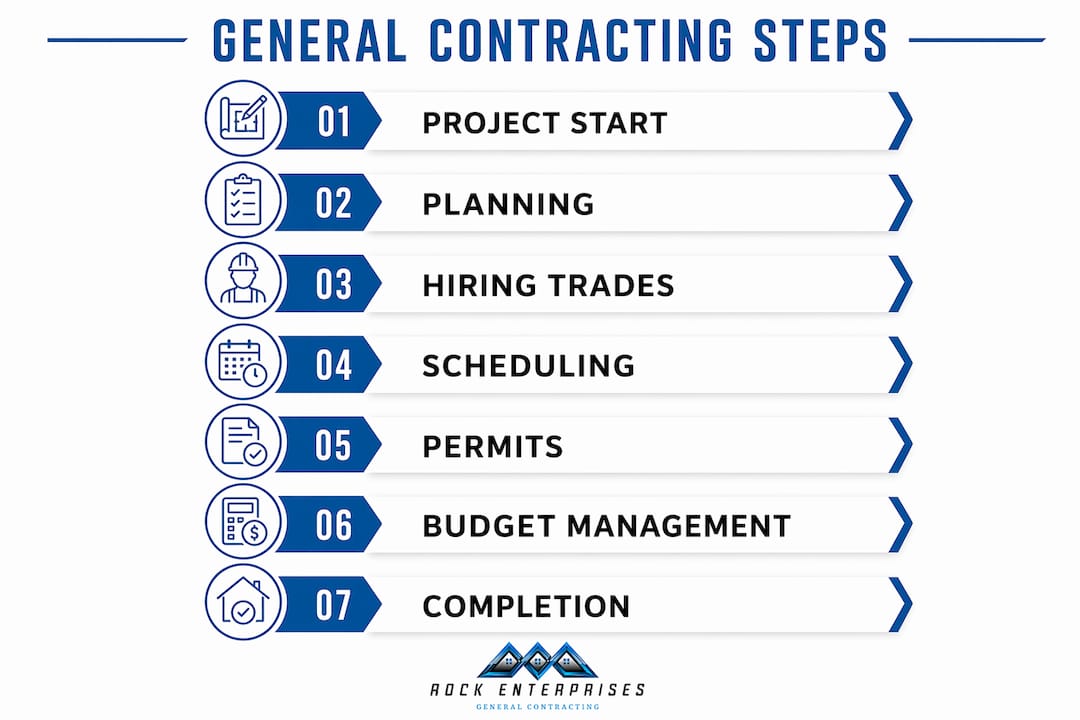
General contracting is defined as the professional management of all phases of a residential construction or renovation project by a single licensed contractor who holds the prime contract with the homeowner. A general contractor (GC) secures permits, hires and schedules subcontractors, controls the budget, and carries full legal and financial liability from the first day of work through the final inspection. If you are planning a kitchen remodel, bathroom renovation, or any project that involves more than one trade, understanding this role is the first step toward protecting your investment.
What is general contracting and how does it work?
A general contractor acts as the primary coordinator for a residential project, responsible for every moving part from permits to punch lists. The homeowner signs one contract with the GC, not with each individual plumber, electrician, or tile setter. That single contract is what makes the GC legally and financially accountable for the entire outcome.
The GC does not personally frame your walls or wire your outlets. Instead, the GC’s core value is project integration, synchronizing specialized trades so that the plumber’s rough-in does not conflict with the electrician’s layout. That coordination prevents expensive rework and keeps the project on schedule.
Project delivery method also shapes how a GC operates. In a traditional design-bid-build project, the homeowner finalizes plans before hiring a GC to execute them. In a design-build arrangement, the GC manages both the design and construction phases. Knowing which model applies to your project determines how much authority and involvement your GC will have from day one.
What are the licensing and insurance requirements for general contractors?
Licensing requirements vary by state, but the pattern is consistent. Most states require:
- Documented field experience: Typically 3–5 years of hands-on construction work before a license application is accepted.
- Written examination: A comprehensive test covering construction law and project management is standard in most jurisdictions.
- Contractor’s bond: State-level bond requirements commonly range from $10,000 to $25,000, protecting homeowners if the contractor fails to complete the work.
- General liability insurance: Minimums typically run from $500,000 to $1 million per occurrence, covering property damage and bodily injury on the job site.
- Workers’ compensation: Required in most states to cover injuries to the GC’s employees and subcontractors working on your property.
One distinction that trips up many homeowners: licensed is not the same as insured. A license confirms the contractor met state qualifications. It does not protect you if a worker is injured on your property. Always request a certificate of insurance (COI) that names your specific property address. That document confirms the policy is active and covers your project.
Pro Tip: Before signing any contract, verify the GC’s license number directly through your state’s contractor licensing board website. In New Jersey, you can also check the NJ contractor license requirements to understand exactly what credentials to look for.
Some states offer reciprocity agreements, allowing a contractor licensed in one state to apply for a license in another without retaking the full exam. If you own investment properties across state lines, confirm that your GC holds the correct license for each jurisdiction where work is performed.
What does a general contractor do during a residential renovation?
A GC’s responsibilities span the full life of a project. The most visible tasks include managing subcontractors and pulling permits, but the behind-the-scenes work is equally demanding.
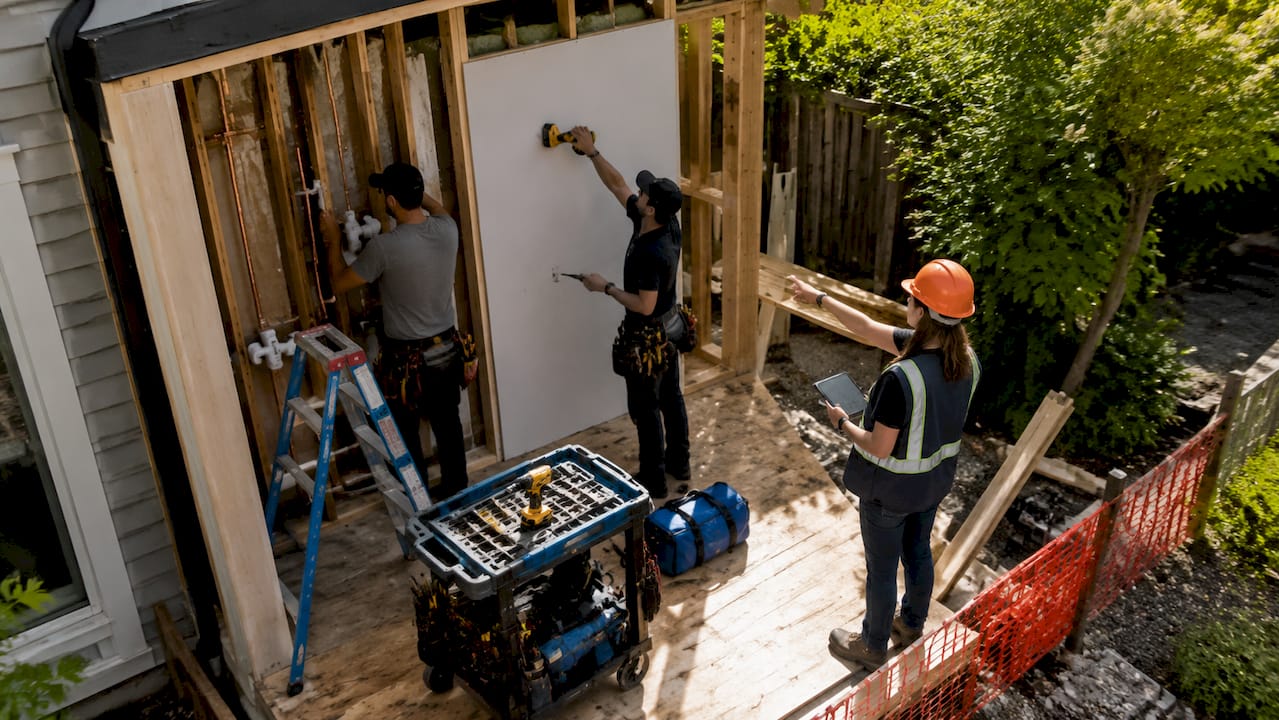
Scheduling and trade coordination is the GC’s daily job. A bathroom renovation, for example, requires demolition, rough plumbing, rough electrical, waterproofing, tile work, fixture installation, and final inspections. Each trade must arrive in the right order. A scheduling error that brings the tile setter before the plumber finishes rough-in can cost days and hundreds of dollars in rework.
Permit management protects you legally. A GC knows which permits are required for your project and handles the application process. Unpermitted work can void your homeowner’s insurance, create problems when you sell the property, and in some cases require demolition to correct.
Budget and contract management keeps costs predictable. A reputable GC provides itemized estimates and tracks change orders in writing. Transparency in subcontractor costs is a direct marker of professionalism. GCs who refuse to break down their numbers are a red flag.
Pro Tip: Ask your GC to walk you through the project schedule before work begins. A GC who can explain the sequence of trades and identify potential delays is demonstrating real project management skill, not just sales confidence.
Other key responsibilities include:
- Ordering and tracking materials deliveries to avoid job-site downtime
- Conducting quality checks at each phase before the next trade begins
- Managing inspections with local building officials
- Completing the punch list, the final checklist of minor corrections before project closeout
If you want to understand how subcontractors fit into this process, the relationship between a GC and the specialty trades they hire is worth studying before your renovation begins.
General contractor vs subcontractor: what is the difference?
Homeowners often confuse these roles. The distinction matters because it determines who is legally responsible for your project.
| Role | Contract relationship | Financial liability | Scope |
|---|---|---|---|
| General contractor | Holds prime contract with homeowner | Carries full liability for the project | Manages all trades and phases |
| Subcontractor | Hired by the GC, not the homeowner | Liable only for their specific trade | Performs specialized work (plumbing, electrical, tile) |
| Construction manager | Acts as the owner’s agent | Does not typically hold contracts with subs | Advises and oversees on the owner’s behalf |
A subcontractor specializes in one trade. The electrician who wires your kitchen remodel is a subcontractor. The GC hired that electrician, manages their schedule, and is responsible for their work meeting code. You, as the homeowner, have no direct contract with the electrician.
A construction manager (CM) is a different role entirely. A GC holds the contract and financial liability for the construction outcome, while a CM typically acts as an agent for the owner and does not hold contracts with subcontractors. For most residential renovations, a licensed GC offers stronger protection because the liability sits with them, not with you.
When and why should homeowners hire a general contractor?
The clearest signal that you need a GC is project complexity. Coordinating more than 2–3 specialty trades requires a level of scheduling and quality oversight that most homeowners are not equipped to manage. A full kitchen remodel, for instance, typically involves demolition, carpentry, plumbing, electrical, countertop installation, and appliance hookups. Managing that sequence without experience leads to delays, cost overruns, and code violations.
The benefits of hiring a licensed GC go beyond convenience:
- Legal compliance: A GC knows local building codes and pulls the correct permits. You avoid the risk of unpermitted work that can affect your home’s resale value.
- Risk transfer: The GC carries the liability. If a subcontractor makes a costly mistake, the GC is responsible for correcting it under the prime contract.
- Time savings: A GC manages scheduling, materials, and inspections. You do not spend your evenings chasing down subcontractors or waiting for deliveries.
- Quality control: An experienced GC inspects each phase before the next begins, catching problems early when they are cheap to fix.
- Budget predictability: Itemized contracts and written change orders keep costs transparent and reduce surprise expenses.
The risk of self-managing a complex renovation is real. Homeowners who act as their own GC often underestimate the time required to coordinate trades, handle permit delays, and resolve disputes between subcontractors. One scheduling conflict between a plumber and an electrician can push a project back by weeks.
Pro Tip: When interviewing GCs, ask specifically how they handle change orders. A GC who requires written approval before any scope change is protecting both of you. Verbal agreements on changes are where renovation budgets collapse.
Evaluating a GC before you hire comes down to three things: verified license and insurance, a detailed written contract with itemized costs, and references from completed residential projects similar to yours. Checking contractor credentials in New Jersey is straightforward when you know what documents to request.
Key Takeaways
A licensed general contractor is the single most important hire on any residential renovation involving multiple trades, because they hold the legal and financial responsibility that protects homeowners from costly mistakes.
| Point | Details |
|---|---|
| GC holds the prime contract | The homeowner contracts with the GC, who then manages all subcontractors and carries full liability. |
| Licensed does not mean insured | Always request a certificate of insurance naming your property, separate from verifying the license. |
| Integration is the core value | A GC’s job is synchronizing trades to prevent conflicts, not performing the hands-on work directly. |
| Hire a GC for multi-trade projects | Projects involving more than 2–3 specialty trades require professional coordination to stay on schedule and on budget. |
| Transparency signals quality | A reputable GC provides itemized estimates and written change orders; refusal to do so is a warning sign. |
What I have learned from watching renovations go right and wrong
The homeowners who have the smoothest renovations share one habit: they treat the GC selection process as seriously as the renovation itself. Most renovation problems I have seen trace back to one of two mistakes. Either the homeowner hired based on the lowest bid without verifying credentials, or they assumed a verbal agreement was good enough.
The punch list is where you see a GC’s true character. The final 5% of a project is where quality commitment shows up. A great GC addresses minor defects before you notice them. A poor one treats the punch list as a negotiating tool, dragging out corrections until the homeowner gives up. Ask any GC you are considering how they manage punch lists. Their answer tells you everything.
One more thing that rarely gets said: the GC’s relationship with their subcontractors matters as much as their relationship with you. A GC who pays subs on time and treats them professionally attracts better tradespeople. Those tradespeople show up on schedule and take pride in their work. A GC who is known for slow payment or poor communication gets the subs who are available because no one else wants them.
Verify the license. Demand the COI. Read the contract line by line. And pay attention to how the GC talks about the people they work with.
— ryan
Ready to work with a contractor who takes all of this seriously?
Rockenterprisecontracting is a licensed, family-owned general contracting company based in Shrewsbury, NJ, serving homeowners across Monmouth and Ocean County. The owner personally oversees every project, from the first permit application through the final punch list walkthrough. That hands-on approach is reflected in a 5.0-star rating on Thumbtack and a 100% positive feedback score.

Whether you are planning a kitchen remodel, a bathroom renovation, or a full home improvement project, Rockenterprisecontracting brings the transparency, trade coordination, and craftsmanship that complex renovations require. Explore the full range of personalized renovation services to find the right fit for your project.
FAQ
What is the general contractor definition in simple terms?
A general contractor is a licensed professional who manages all aspects of a construction or renovation project, holding the prime contract with the homeowner and coordinating all subcontractors, permits, and materials.
How does a general contractor differ from a subcontractor?
A general contractor manages the entire project and holds the contract with the homeowner, while a subcontractor performs specialized work in one trade and is hired and paid by the GC.
When do you need a general contractor for a home renovation?
You need a general contractor when a project involves more than 2–3 specialty trades, such as a full kitchen or bathroom remodel, because coordinating multiple trades requires professional scheduling and quality oversight.
What questions should I ask a general contractor before hiring?
Ask to see their license number and certificate of insurance, request an itemized written estimate, and ask specifically how they handle change orders and punch list corrections.
Is a general contractor license required in New Jersey?
Yes. New Jersey requires contractors to hold a valid Home Improvement Contractor (HIC) registration and, for larger projects, a full contractor’s license, along with proof of general liability insurance and workers’ compensation coverage.