
TL;DR:
- Bathroom remodeling involves updating design, fixtures, and layout to enhance comfort, aesthetics, and home value. Proper planning, licensed contractor work, and adherence to sequencing and permits ensure long-lasting results and prevent costly mistakes. The scope of the project—cosmetic, partial, or full—directly influences the budget, timeline, and complexity of the renovation.
Bathroom remodeling is the process of updating a bathroom’s design, layout, fixtures, and functionality to improve comfort, aesthetics, and home value. The industry term is bathroom renovation, and it covers everything from swapping out a faucet to relocating plumbing walls and installing a custom tile shower. Whether you own a 1970s split-level in Monmouth County or a newer build that just feels dated, understanding the full scope of a remodel helps you spend smarter, avoid costly surprises, and get results that last. This guide covers types, costs, timelines, 2026 design trends, and how to choose the right contractor for your project.
What is bathroom remodeling, and what types of projects exist?
Bathroom remodeling breaks into three distinct categories, and knowing which one fits your goals is the first decision you need to make.
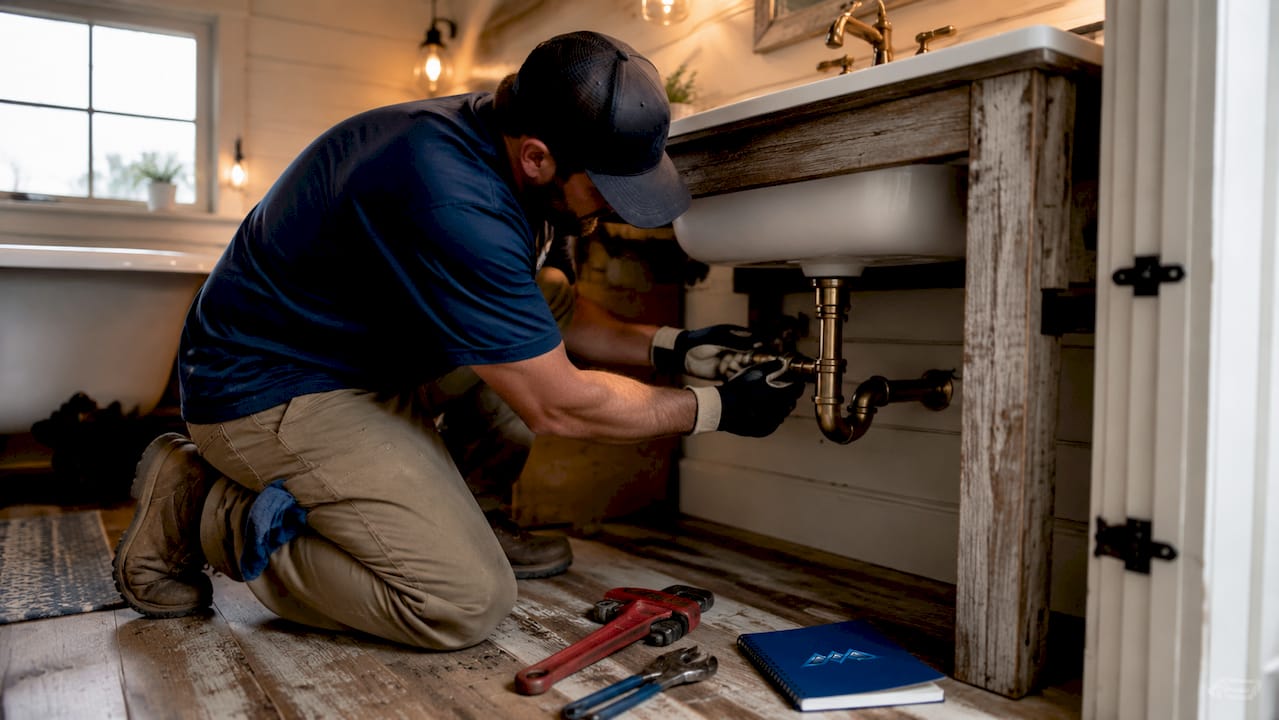
Full remodel means changing the structure of the space. You move plumbing, relocate electrical, alter the floor plan, and replace everything from the subfloor up. This is the right choice when your bathroom layout genuinely does not work, when you are dealing with water damage behind walls, or when you want to convert a half bath into a full bath. Full remodels take the longest and cost the most, but they deliver the biggest transformation.
Partial remodel targets specific systems or surfaces without touching the layout. You might replace the vanity, toilet, and shower surround while keeping the existing plumbing locations. This is the most common project type for homeowners who want a noticeably updated bathroom without the disruption of a full gut job.
Cosmetic refresh is the lightest category. New paint, updated hardware, a mirror swap, and fresh lighting can change how a bathroom feels in a weekend. No permits, no contractors required, and costs typically stay under $1,500.
| Project type | Typical scope | Estimated cost range | Timeline |
|---|---|---|---|
| Cosmetic refresh | Paint, hardware, lighting, accessories | $500 to $1,500 | 1 to 3 days |
| Partial remodel | Fixtures, vanity, tile, shower surround | $5,000 to $15,000 | 1 to 3 weeks |
| Full remodel | Layout, plumbing, electrical, all finishes | $15,000 to $40,000+ | 4 to 10 weeks |
Pro Tip: If you are unsure which category fits your project, start by listing what you hate about your current bathroom. If the answer is “everything about the layout,” you need a full remodel. If the answer is “the fixtures look old,” a partial remodel will solve it.
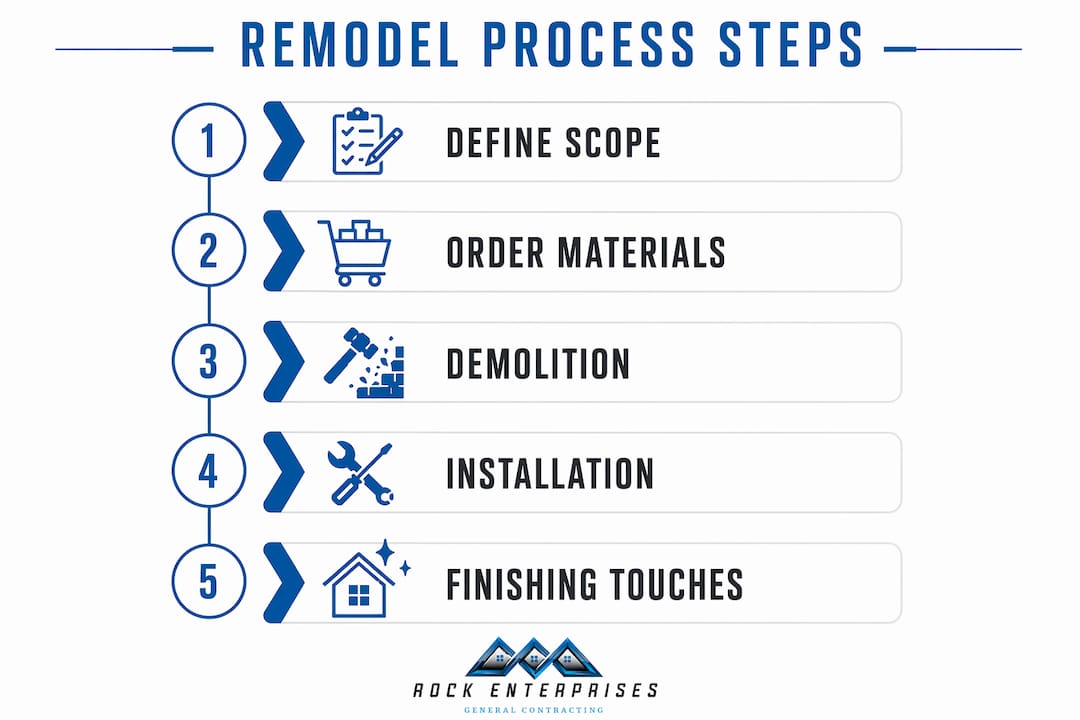
The scope you choose drives every other decision, including budget, contractor selection, and permit requirements. Locking in your scope before you price anything out saves weeks of back-and-forth.
What does a typical bathroom remodeling process involve?
The order of operations in a remodel is the primary factor preventing project delays and costly rework. Skipping steps or doing them out of sequence leads to torn-out tile, failed inspections, and budget overruns. Here is the correct sequence for a full or partial remodel:
- Planning and design. Measure the space, finalize your layout, select all materials, and set your budget before any work begins. Decisions made on paper cost nothing. Decisions made mid-demo cost real money.
- Permits. Building permits are required when moving plumbing or electrical fixtures or opening more than about 10 square feet of wall space. Pull permits before demolition, not after.
- Demolition. Remove existing fixtures, tile, drywall, and flooring down to the level your new work requires. Inspect the subfloor and framing for rot or damage before proceeding.
- Structural repairs. Replace any damaged framing, subfloor sections, or blocking. This step is non-negotiable. Covering up rot with new tile creates a much bigger problem two years later.
- Plumbing and electrical rough-ins. Move or add supply lines, drains, and electrical circuits before walls close. This is the phase that most bathroom remodels require permits for, even on moderate updates.
- Waterproofing and insulation. Tile and grout are not waterproof on their own. A bonded waterproofing membrane like Schluter Systems behind shower tile is the difference between a 20-year bathroom and a mold problem. Install insulation in exterior walls before closing them.
- Tile and fixture installation. Set floor tile, wall tile, and shower surrounds. Install the vanity, toilet, tub or shower unit, and all plumbing trim.
- Final inspections and finishing touches. Schedule required inspections, then complete paint, mirrors, lighting, hardware, and accessories.
A typical DIY bathroom remodel takes 3 to 6 weeks on a part-time basis. That timeline assumes no major surprises behind the walls, which is rarely guaranteed in homes older than 20 years.
Pro Tip: Order all your fixtures and tile before demolition starts. Lead times on specialty tile and custom vanities can run 4 to 8 weeks. Starting demo before materials arrive turns a 3-week project into a 10-week one.
How much does bathroom remodeling cost, and what affects the budget?
Cost is where most homeowners get surprised, and the surprises almost always go in one direction. Here is what drives the final number:
- Plumbing relocation is the single biggest cost multiplier. Moving a toilet or shower drain requires opening the subfloor and rerouting pipes, which adds $1,000 to $3,000 or more depending on your home’s plumbing configuration.
- Tile selection creates a wide cost range. Basic ceramic tile runs $2 to $5 per square foot. Large-format porcelain or natural stone can reach $15 to $30 per square foot, plus higher labor costs for precision cutting and setting.
- Fixtures and vanities span an enormous price range. A builder-grade vanity costs $200. A custom solid wood piece with quartz countertop costs $2,000 or more.
- Labor typically represents 40 to 60 percent of a total project budget. Skilled tile setters, licensed plumbers, and electricians in New Jersey charge accordingly.
- Hidden conditions discovered after demolition. Rotten subfloor, outdated galvanized pipes, and insufficient electrical capacity are common in older homes and add unplanned cost.
Budgeting should include a contingency of 10 to 15 percent for unexpected issues like rot or outdated pipes. On a $20,000 project, that means keeping $2,000 to $3,000 in reserve before you start.
The return on that investment is real. Midrange bathroom renovations recoup approximately 71% of their cost at resale, according to Remodeling Magazine. That figure means a $15,000 remodel adds roughly $10,650 in resale value, which is a strong return for a single room.
What are the current bathroom design trends and ideas for 2026?
2026 design trends prioritize natural materials, spa-inspired features, and water-efficient fixtures. This reflects a broader consumer shift toward wellness and sustainability in residential design, not just aesthetics. The bathrooms homeowners want today are built to feel like a retreat, not just a utility room.
The most requested features right now include:
- Natural and organic materials. Travertine, unlacquered brass, warm wood tones, and textured stone are replacing the cool gray and chrome combinations that dominated the 2010s. These materials age well and feel less dated over time.
- Spa-like showers. Curbless walk-in showers with rainfall showerheads, built-in niches, and bench seating are the top upgrade request for full remodels. Freestanding soaking tubs remain popular in primary bathrooms with enough square footage.
- Water-efficient fixtures. WaterSense-certified toilets, low-flow showerheads, and touchless faucets reduce water use without sacrificing performance. Many municipalities in New Jersey offer rebates for qualifying fixtures.
- Layered lighting. A single overhead light is no longer acceptable in a well-designed bathroom. The current standard combines recessed ceiling lights, backlit mirrors, and sconce lighting flanking the vanity for shadow-free task lighting.
- Smarter storage. Floating vanities with integrated drawer organizers, recessed medicine cabinets, and niche shelving in showers eliminate clutter without adding visual bulk to smaller spaces.
“The best bathroom designs in 2026 are not just beautiful. They are built around how you actually use the space every morning.”
For a deeper look at specific styles, the bathroom renovation styles guide from Rockenterprisecontracting covers 10 current approaches with material and color recommendations.
How do you select and work with bathroom remodeling contractors?
DIY bathroom remodeling demands advanced skills in plumbing, electrical, and waterproofing to avoid costly mistakes. Most homeowners can handle painting, hardware swaps, and accessory installation. Almost no homeowner should attempt moving plumbing, running new electrical circuits, or installing a waterproofed shower system without professional experience.
When hiring a contractor, follow this process:
- Verify licensing and insurance. In New Jersey, general contractors must hold a Home Improvement Contractor (HIC) license. Ask for the license number and verify it with the New Jersey Division of Consumer Affairs before signing anything.
- Get at least three quotes. Quotes that come in dramatically lower than others usually signal cut corners, unlicensed subcontractors, or missing scope items. The lowest bid is rarely the best value.
- Check references and completed work. Ask to see photos of finished bathrooms, or better yet, speak with past clients. A contractor’s completed renovation portfolio tells you more than any sales conversation.
- Understand the permit process. A reputable contractor pulls permits and schedules inspections. If a contractor suggests skipping permits to save time or money, walk away. Unpermitted work creates problems at resale and can void homeowner’s insurance.
- Review your renovation contract carefully. Before any work starts, confirm that the contract specifies materials, payment schedule, timeline, and change order procedures. The renovation contracts checklist from Rockenterprisecontracting is a useful reference for what to look for.
Pro Tip: Ask every contractor how they handle unexpected conditions discovered during demolition. Their answer tells you everything about their experience and transparency. A vague answer is a red flag.
Key takeaways
A successful bathroom remodel depends on matching your project scope to your budget, following the correct sequence of work, and hiring licensed professionals for plumbing, electrical, and waterproofing tasks.
| Point | Details |
|---|---|
| Define your scope first | Choose between cosmetic, partial, or full remodel before pricing anything out. |
| Follow the correct sequence | Planning, permits, demo, rough-ins, waterproofing, and finishes must happen in order. |
| Budget for surprises | Reserve 10 to 15 percent of your total budget for hidden conditions found after demolition. |
| Verify contractor credentials | Confirm NJ HIC licensing, insurance, and references before signing any contract. |
| ROI is real | Midrange remodels recoup approximately 71% of cost at resale, making them a sound investment. |
What I have learned from watching bathroom remodels go right and wrong
The single most common mistake I see homeowners make is starting a bathroom remodel with a Pinterest board and no permit. They pick beautiful tile, order a stunning vanity, and hire someone cheap to install it. Then the inspector finds unpermitted plumbing work during a home sale, and the whole project has to be documented or redone. That scenario is not rare. It happens regularly in Monmouth and Ocean County.
The second mistake is underestimating waterproofing. Homeowners see tile and assume the wall behind it is protected. It is not. Tile and grout allow moisture to pass through over time. Without a proper membrane system like Schluter Kerdi or a comparable bonded product, water reaches the framing and the damage is invisible until it is catastrophic. I have seen bathrooms that looked perfect from the outside require full gut jobs because the waterproofing was skipped or done incorrectly.
What actually works is simple: plan completely before you demo anything, pull every required permit, and hire licensed tradespeople for plumbing and electrical work. The cosmetic decisions, tile selection, and fixture choices are the fun part. The structural and mechanical work is where the long-term quality of your bathroom is determined. Spend your energy and your contingency budget protecting that foundation.
The bathrooms that hold up for 20 years are not always the most expensive ones. They are the ones built in the right order, with the right materials, by people who knew what they were doing.
— ryan
See what a properly built bathroom looks like
If you are planning a bathroom renovation in Monmouth or Ocean County, Rockenterprisecontracting brings licensed, owner-supervised craftsmanship to every project. From full gut remodels to targeted fixture upgrades, the team handles permits, sequencing, and quality control so you do not have to.

Browse the completed bathroom projects to see the standard of work firsthand, then explore the full range of expert home renovation services to find the right fit for your project. Rockenterprisecontracting holds a 5.0-star rating on Thumbtack with 100% positive feedback. That record reflects what happens when the owner personally oversees every job from start to finish.
FAQ
What is the difference between a bathroom remodel and a renovation?
Remodeling changes the structure or layout of a space, while renovation refers to restoring or updating existing elements without altering the layout. In practice, most homeowners and contractors use both terms interchangeably.
Do I need a permit for a bathroom remodel?
Permits are required when moving plumbing or electrical fixtures or opening more than about 10 square feet of wall space. Cosmetic updates like painting or replacing hardware do not require permits.
How long does a bathroom remodel take?
A typical DIY bathroom remodel takes 3 to 6 weeks on a part-time basis. A professionally managed full remodel generally runs 4 to 8 weeks depending on scope and material lead times.
What is the average cost of a bathroom remodel?
Partial remodels typically range from $5,000 to $15,000, while full remodels with layout changes run $15,000 to $40,000 or more. Labor accounts for 40 to 60 percent of the total budget in most projects.
Is bathroom remodeling worth the investment?
Midrange bathroom renovations recoup approximately 71% of their cost at resale. Beyond financial return, a well-executed remodel improves daily comfort and can resolve functional problems like inadequate storage or poor water pressure.